
Blog Post2026
How Conventional Metrics Can Misrepresent Organoid Drug Sensitivity
Why RV, GR, and NDR can distort organoid drug responses, and how NOGR separates cytostatic from cytotoxic effects.
Orbits Oncology · 2026
Read online
New application note: Orbits 2.0: Label-free organoid viability that outperforms CellTiter-Glo 3D.
Explore scientific publications, technical insights, and practical resources for organoid research and drug discovery.
Featured Resource
Application Note
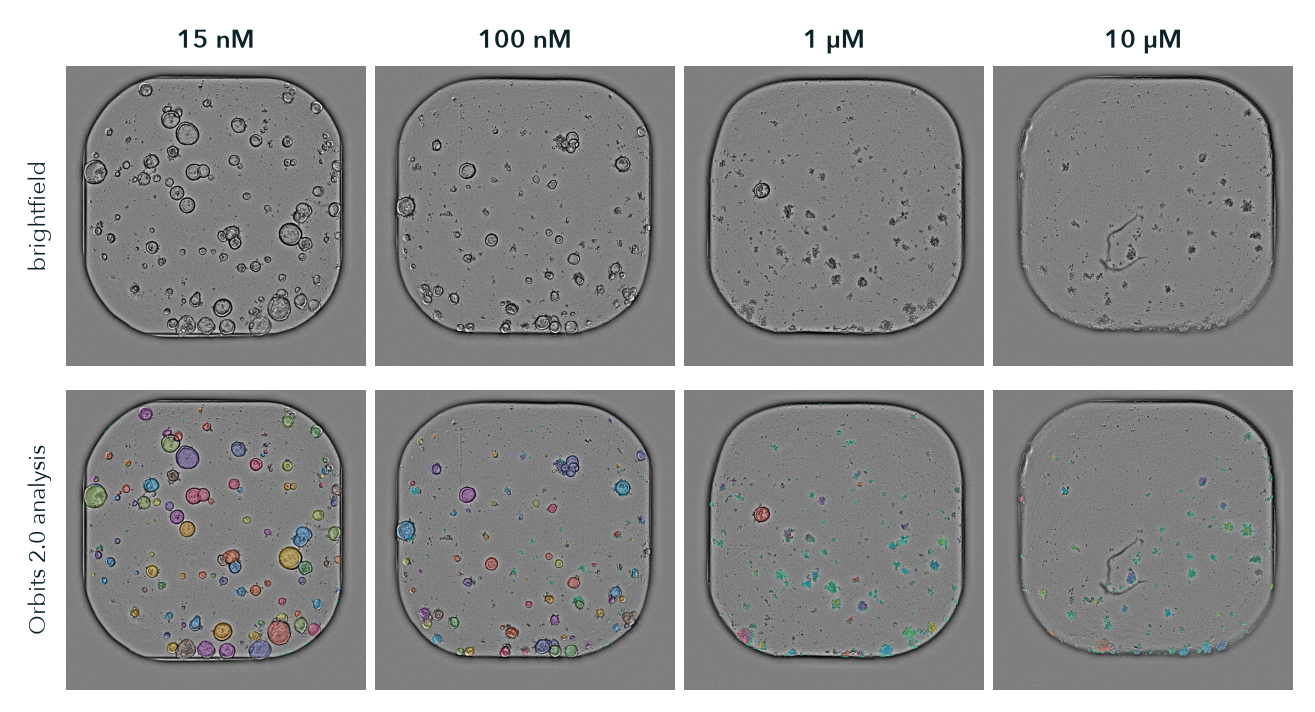
A comparison of imaging-based and biochemical viability measurements in patient-derived organoid drug screening.
16 resources
Why RV, GR, and NDR can distort organoid drug responses, and how NOGR separates cytostatic from cytotoxic effects.
Orbits Oncology · 2026

How robust segmentation, metadata integration, and systematic outlier detection enable high-throughput organoid drug screening.
Orbits Oncology · 2026
How label-free brightfield imaging compares with CellTiter-Glo 3D on drug potency, assay quality, and workflow fit.
Orbits Oncology · 2026
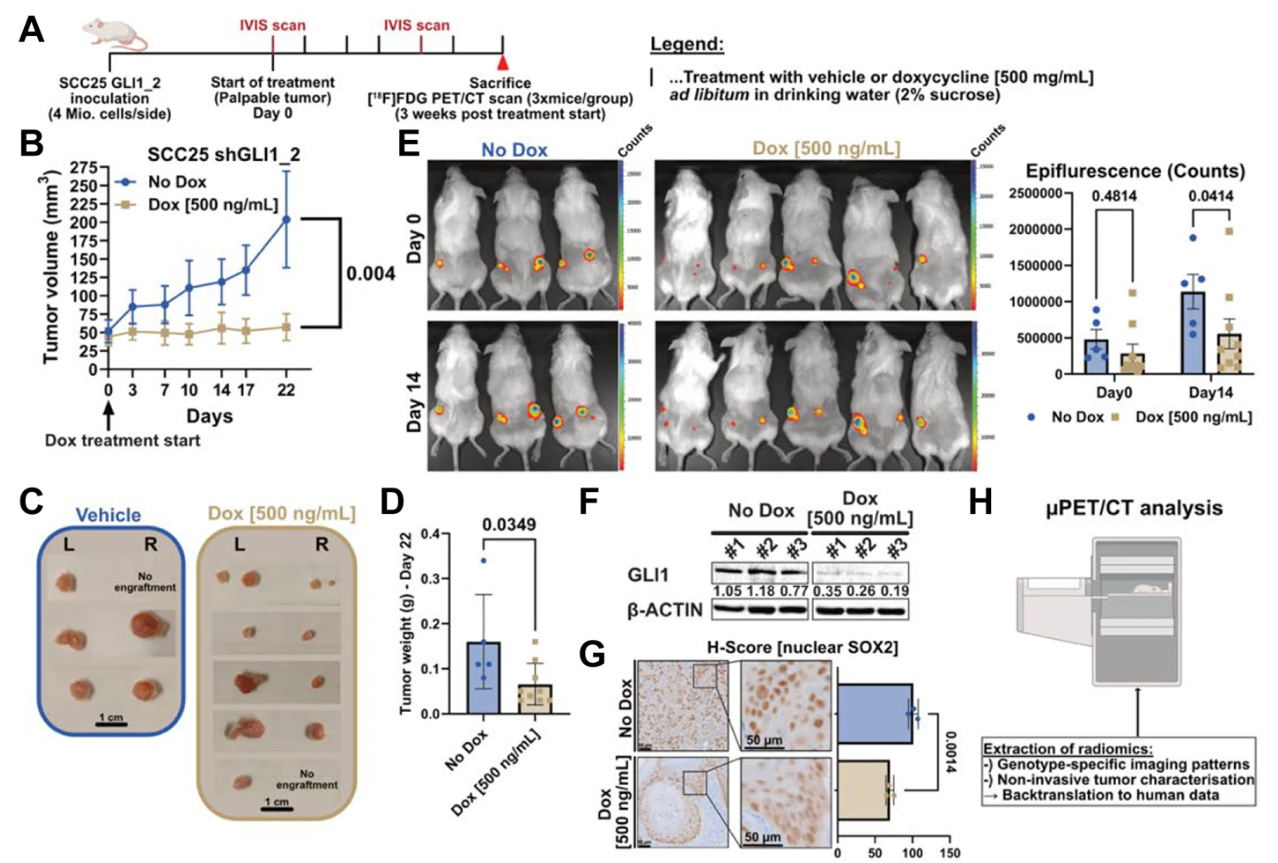
Multiomics research into Hedgehog-driven HPV-negative head and neck squamous cell carcinoma.
Stoiber et al. · Molecular Cancer · 2026
A comparison of imaging-based and biochemical viability measurements in patient-derived organoid drug screening.
Application Note AN-01 · 2026
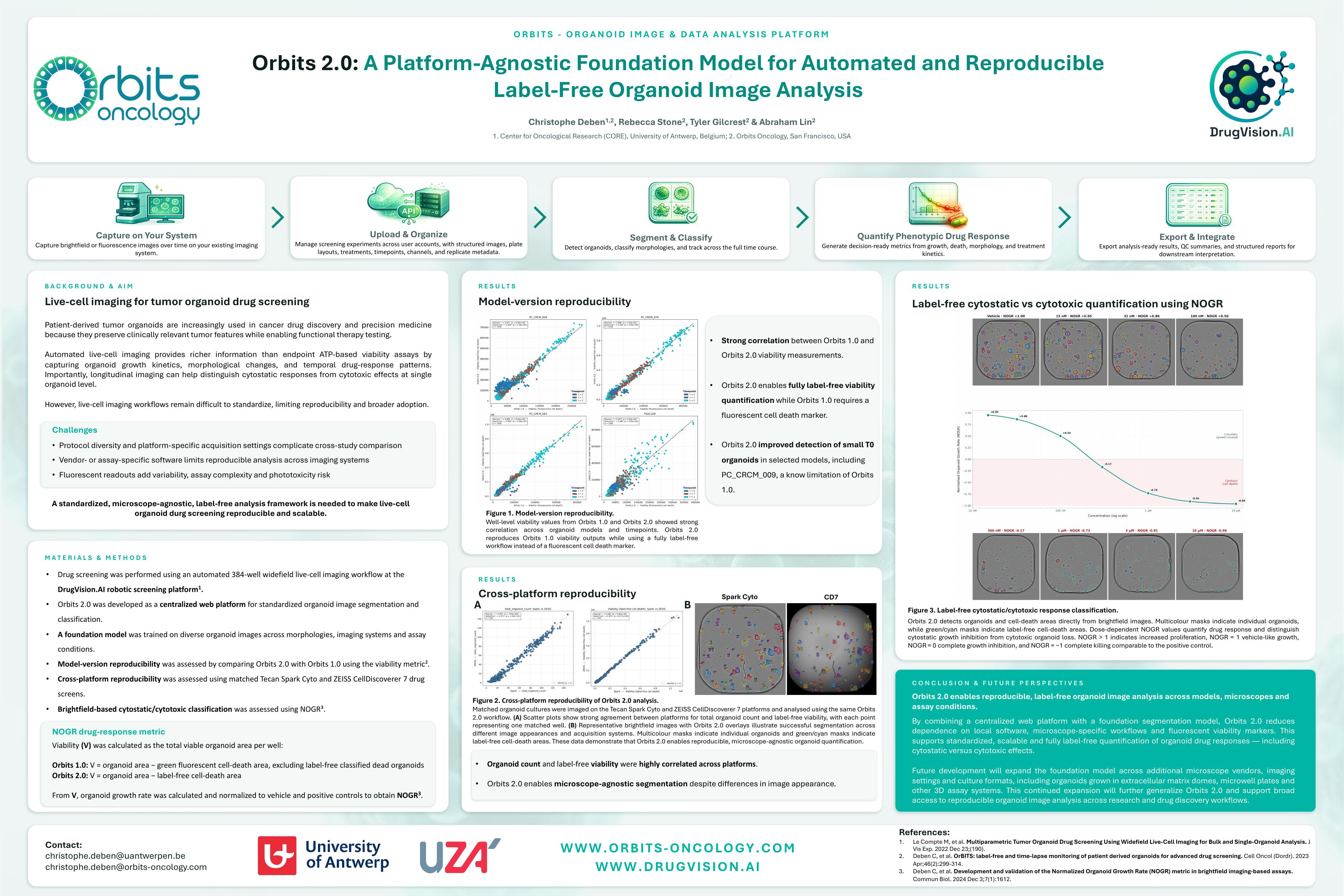
A platform-agnostic foundation model for automated, reproducible organoid image analysis.
Deben, Stone, Gilcrest & Lin · 2026
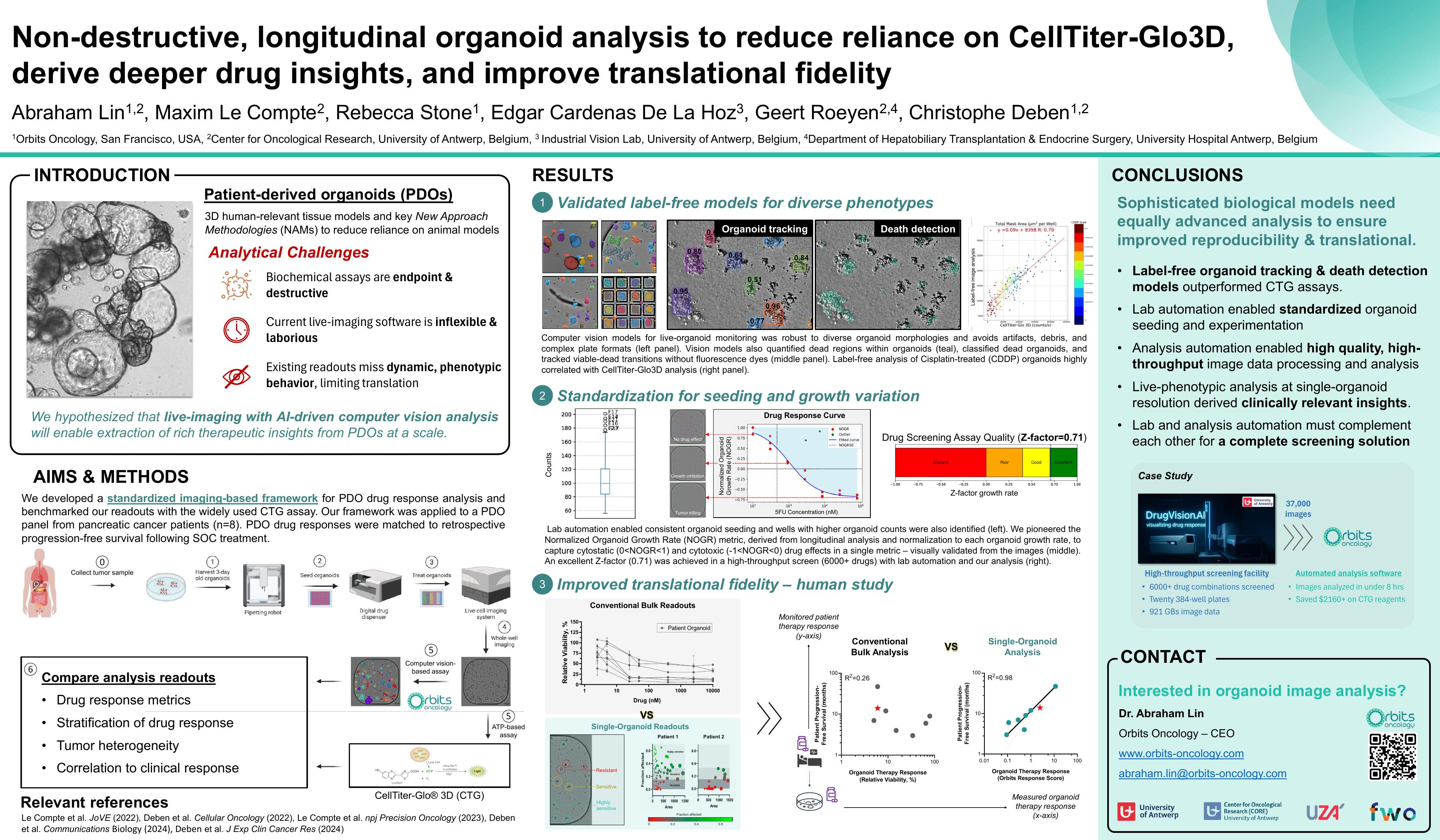
Longitudinal organoid analysis for deeper drug insights without destructive endpoint assays.
Lin, Le Compte, Stone, Cardenas De La Hoz, Roeyen & Deben · 2026
Comparison of OncoPro and Wnt-based media in patient-derived tumor organoids.
Seghers et al. · bioRxiv preprint · 2025
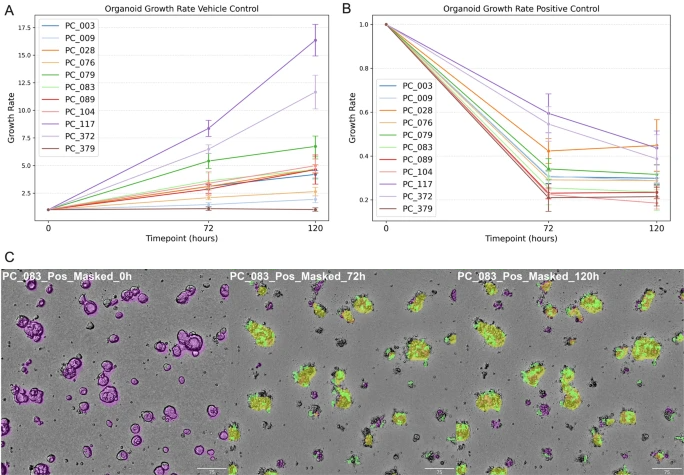
Development and validation of the NOGR growth-rate metric for brightfield imaging assays.
Deben et al. · Communications Biology · 2024